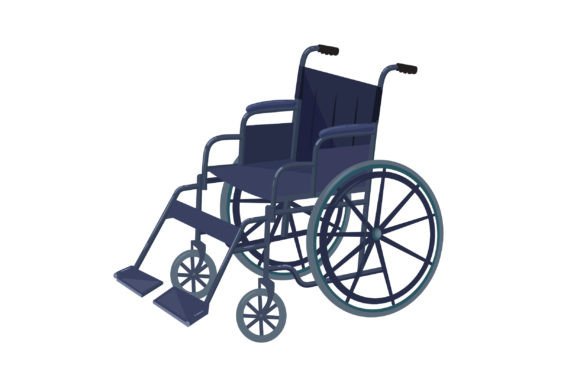
Wheelchair Vector Review
As an embroidery designer and product reviewer, I often evaluate designs based on their practicality, visual appeal, and versatility. The Wheelchair Vector falls into a niche but important category of illustrations—those that convey meaning beyond aesthetics. This design is more than just a graphic; it's a statement, a symbol of support, and a tool for creating meaningful embroidered items.
First Impressions: A Design with Purpose
The Wheelchair Vector immediately communicates its intent. The shape is clean, the lines are clear, and the overall layout feels intentional. It’s not overly detailed, which makes it adaptable to various embroidery styles. The design has a neutral, professional look that can work in both casual and formal settings. Its simplicity allows it to be used in a wide range of projects without overwhelming the final product.
This design would naturally fit into custom apparel, baby items, or personalized gifts. It’s also well-suited for patches, tote bags, and small shop merchandise where clarity and recognition are key. The vector format ensures scalability, making it easy to adjust for different sizes and applications.
Real-World Embroidery Use Cases
When considering the Wheelchair Vector for real embroidery projects, there are several scenarios where it shines. For instance, if you're designing a custom tote bag for a nonprofit or a charity event, this design could serve as a powerful visual element. It could also be used on sweatshirts for a wellness center, or as part of a baby onesie that conveys care and support.
In a craft business setting, the Wheelchair Vector could be a valuable addition to your digital product library. As an Etsy seller or handmade shop owner, having a design that resonates emotionally with customers can increase engagement and sales. It’s especially effective when paired with meaningful text or used in holiday or wedding gift items.
For commercial embroidery projects, the Wheelchair Vector offers flexibility. It can be used in corporate branding, healthcare-related merchandise, or community outreach programs. Its clean lines make it suitable for both satin stitch and fill stitch applications, depending on the desired effect.
Where to Be Cautious
While the Wheelchair Vector is versatile, there are some situations where it may require extra attention. On small hoop sizes, the design might appear too large or compressed. It’s best to test it on scrap fabric first to ensure the proportions remain consistent.
On textured or stretchy fabrics, the design may lose some definition. Using the right stabilizer is crucial to maintain the integrity of the stitches. Similarly, on dark fabrics, thread color contrast becomes more important—opt for light-colored threads to ensure visibility.
For products that require frequent washing, such as baby clothes or kitchen towels, the durability of the design matters. Make sure the stitch density is appropriate for the fabric type and that the design is properly secured with stabilizer to prevent fraying or distortion over time.
Impact on Visual Appeal and Customer Perception
The Wheelchair Vector adds value to any project it’s used in. Its clarity and symbolism can enhance the visual appeal of a finished product, making it more memorable and meaningful. Customers often appreciate designs that tell a story or reflect a cause, which can increase the perceived value of a handmade product or personalized gift.
From a branding perspective, using the Wheelchair Vector consistently across different products can reinforce a cohesive identity. Whether it’s a patch on a jacket, a logo on a cap, or a decorative element on a pillow, the design maintains its relevance and impact.
As an embroidery designer, I also consider how a design affects buyer engagement. The Wheelchair Vector has a strong visual presence that can draw attention in an Etsy listing or a craft fair booth. It’s a design that people recognize and relate to, which can help drive sales and build trust with customers.
Practical Designer Notes
Before committing to a project, always test the Wheelchair Vector on scrap fabric. This helps you understand how the design translates in real life and whether adjustments are needed. Check the thread colors against different fabric backgrounds to ensure visibility and harmony.
Review the stitch density to make sure it’s appropriate for the intended use. If the design is too dense, it may cause puckering or stiffness on certain fabrics. Conversely, if it’s too light, it may not hold up well over time.
Confirm the hoop size required for the design. Some embroidery machines have limitations, so it’s important to know if the Wheelchair Vector fits within your available space. Also, inspect the small details—like corners or edges—to ensure they remain sharp and defined after stitching.
Use printable mockups to visualize how the design will look on different products. Compare it on light and dark backgrounds to see how it performs in various settings. Always use the proper stabilizer to prevent shifting or distortion during the embroidery process.
Finally, check the licensing terms before selling any finished items or digital products. While the Wheelchair Vector is likely intended for personal and commercial use, it’s always good to verify the specifics to avoid any legal issues down the line.