Super Doc Indian Review
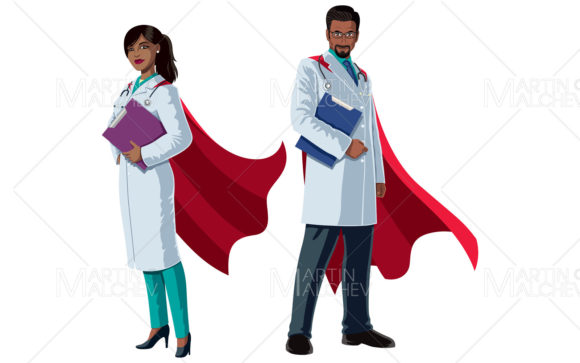
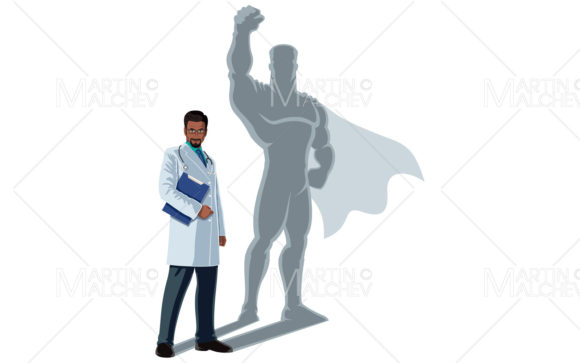
As an embroidery designer and product reviewer, I often look for designs that are both visually engaging and practical for real-world use. Super Doc Indian, a set of cartoon superhero medical doctor illustrations, offers a fun and versatile concept that can work well in various embroidery projects. But like any design, it has its strengths and limitations depending on how it's applied.
First Impressions: A Heroic Theme with Creative Potential
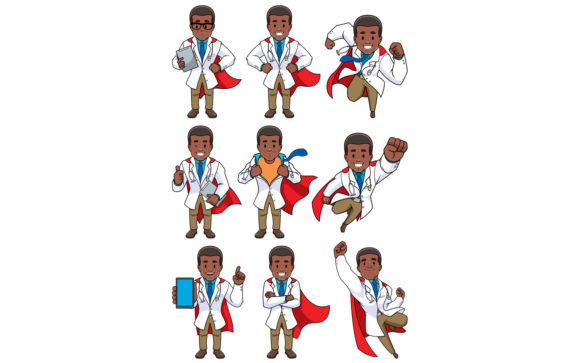
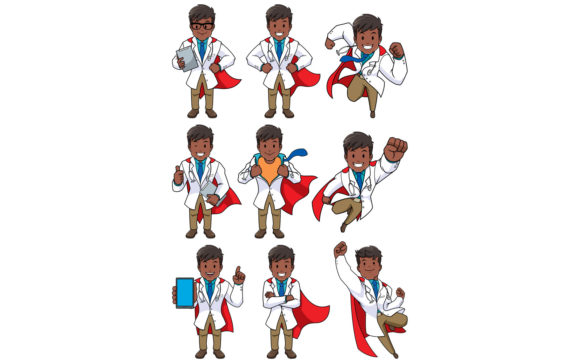
The first thing that stands out about Super Doc Indian is its playful yet professional vibe. The character is clearly designed as a cartoon superhero in a medical setting, which gives it a unique blend of whimsy and authority. The layout is clean, with enough detail to make the design recognizable without being overly complex.
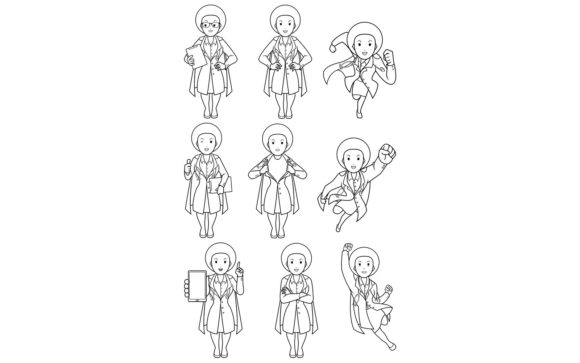
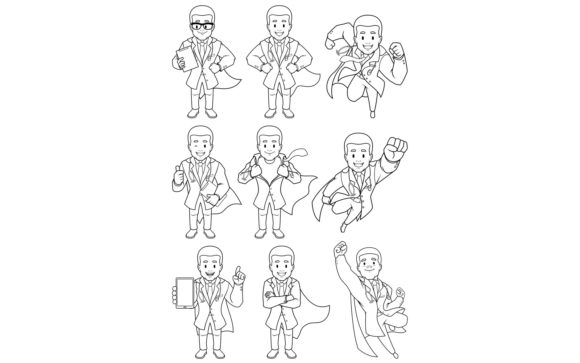
This design feels right at home on custom apparel, especially items like t-shirts, sweatshirts, or tote bags where a bold, eye-catching image is needed. The character’s poses suggest movement, which could add visual interest when stitched onto fabric. However, the level of detail may not be ideal for very small hoop sizes or intricate embroidery projects that require extreme precision.
Real-World Embroidery Use Cases
Super Doc Indian works best on larger, flat surfaces where the design can be fully realized. For example, using it on a tote bag design or a sweatshirt embroidery project would allow the character to stand out without getting lost in the details. It also has potential for baby items, such as onesies or blankets, where a friendly, approachable image is key.
For handmade products like embroidered patches or aprons, the design holds up well. The character’s shape is simple enough to be stitched with a mix of satin stitch and fill stitch, making it suitable for both basic and advanced embroidery machines. However, if you're planning to use it on a cap or hat, you’ll need to consider the curved surface and adjust the hoop size accordingly.
One area where Super Doc Indian shines is in personalized gifts. Whether it's a custom pillow cover, a tea towel, or a holiday gift, the design adds a unique touch that can appeal to a wide range of customers. Its cartoon style makes it accessible for all ages, which is a big plus for Etsy sellers or small shop products.
Where to Be Cautious: Practical Limitations
While Super Doc Indian is a great design for many applications, there are some situations where it might not perform as well. On thin or stretchy fabrics, the design could lose some of its clarity, especially if the stitch density is too high. This is something to test on scrap fabric before committing to a full project.
Dark fabrics may also pose a challenge, as the design’s contrast could be less visible. If you're planning to use it on black or dark-colored garments, you may need to adjust thread colors or consider an applique design to ensure the character stands out.
Small hoop sizes are another consideration. If you're working on a patch or a smaller item, you might find that the design doesn’t fit comfortably in your machine’s hoop. You may need to break it into sections or adjust the scale, which could affect the overall look.
Impact on Visual Appeal and Customer Perception
When it comes to visual appeal, Super Doc Indian has a strong presence. The character’s expression and posture convey a sense of confidence and professionalism, which can enhance the perceived value of the finished product. This is especially important for handmade products or custom apparel where the design plays a key role in attracting buyers.
Stitching clarity is another factor. The design’s lines and shapes are well-defined, which helps maintain a clean look even after stitching. However, if the stitch density is too high in certain areas, it could lead to puckering or distortion, especially on delicate fabrics.
For commercial embroidery projects, this design can be a solid choice, provided you follow best practices. It works well for boutique branding, craft fair products, or printable mockups that showcase the design in different contexts. But always check the licensing terms before selling finished items or digital products.
Embroidery Designer Notes: Testing and Preparation
Before using Super Doc Indian on any project, I recommend testing it on scrap fabric. This will help you see how the design looks in real life and whether it needs adjustments for your specific machine or fabric type.
Check the thread color contrast, especially if you’re using it on dark backgrounds. A black thread might not show up well on a black garment, so consider using a contrasting color for better visibility.
Review the stitch density to ensure it’s appropriate for your project. If the design is too dense, it could cause issues with fabric stability. Adjusting the density or using a proper stabilizer can help prevent problems during stitching.
Inspect small details like lettering or decorative elements. These can sometimes get lost in the stitching process, so it’s worth checking how they appear after the design is sewn.
Test the design in black and white mockups to see how it looks without color. This can help you determine if the design is balanced and whether it needs any tweaks before finalizing your project.
Finally, confirm that the design works for both personal and commercial use. While Super Doc Indian seems suitable for most applications, always double-check the license agreement to avoid any legal issues down the line.