Medical Coder Line Art for Crafts and Content
As a blog designer and digital publisher, I’m always on the lookout for high-quality graphic design assets that elevate content presentation without overwhelming the reader. The Medical Coder - Line Art is one such asset that offers a clean, professional aesthetic ideal for editorial design, website headers, and social media graphics. With formats like SVG, transparent PNG, EPS, and DXF, it’s versatile enough to fit into a wide range of publishing workflows.
First Impressions: A Professional Yet Approachable Visual
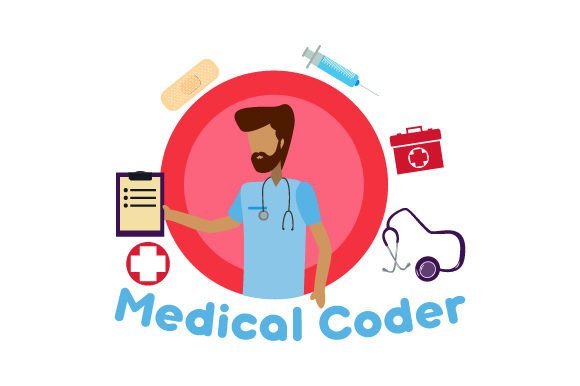
The Medical Coder - Line Art immediately conveys a sense of clarity and precision. Its minimalist style makes it feel modern and professional, yet it avoids being too sterile or clinical. This balance makes it suitable for content niches that require both authority and approachability—think health and wellness blogs, educational resources, or digital guides focused on medical terminology and coding.
The line work is sharp and well-defined, which enhances readability and visual hierarchy. It doesn’t distract from the text it accompanies but instead supports it with a subtle, artistic touch. This makes it an excellent choice for blog graphics, article headers, and Pinterest pins where visual appeal and information clarity must coexist.
Real-World Publishing Use Cases
Whether you’re designing a featured image for a blog post, creating a Pinterest pin for a downloadable resource, or building a Canva template for a digital guide, the Medical Coder - Line Art can be a valuable addition to your design toolkit. Its vector-based formats allow for easy resizing and customization, making it adaptable to different content needs.
- Blog Featured Images: Use it as a background or overlay to create a visually engaging introduction to articles about medical coding, health education, or digital publishing tools.
- Pinterest Graphics: The clean lines make it ideal for pin designs that need to stand out in a crowded feed while maintaining a professional look.
- Article Headers: Pair it with headlines to create a strong visual identity for posts related to healthcare, education, or creative design.
- Newsletter Banners: Add it to email templates to reinforce brand identity and make your content more visually appealing.
- Lead Magnets: Incorporate it into downloadable resources like checklists, worksheets, or e-books to make them more attractive and shareable.
Boosting Content Performance with Visual Hierarchy
One of the most important aspects of content marketing is ensuring that your visuals support the message you want to convey. The Medical Coder - Line Art helps establish a clear visual hierarchy, guiding readers’ eyes through the content while reinforcing the tone and purpose of the piece.
Its simplicity also contributes to better click-through rates. When used effectively, it can make your content appear more polished and trustworthy, encouraging readers to engage further. Whether it’s part of a blog post, a social media graphic, or a digital product, this design asset enhances the overall user experience.
Where It Shines: Editorial and Digital Content
This graphic design asset excels in environments where visual consistency and brand identity are key. It works well as a hero image, a category thumbnail, or an editorial accent in a blog layout. Its versatility makes it a great fit for content upgrades, downloadable printables, and digital guides that require a professional yet accessible look.
It also integrates smoothly into social media previews and affiliate marketing visuals, where first impressions matter. By using it consistently across platforms, you can build a stronger visual identity that resonates with your audience.
When to Use It Carefully
While the Medical Coder - Line Art is highly functional, it may not be the best choice for every situation. On small mobile thumbnails, for example, the fine details might get lost, reducing its effectiveness. Similarly, in text-heavy blog images or low-contrast backgrounds, it could become difficult to read or blend in too much.
For serious professional niches or corporate websites that rely on minimalism, this design might feel too decorative. In those cases, a simpler or more abstract graphic may be more appropriate. Always test it in real-world scenarios before finalizing its use in your content strategy.
Publisher Notes: Practical Tips for Using Medical Coder - Line Art
Before incorporating the Medical Coder - Line Art into your workflow, consider the following tips:
- Test on Different Screens: Ensure it looks good on both desktop and mobile devices, especially if it will be used as a thumbnail or social media preview.
- Preview in Real Layouts: Place it inside a mock-up of your blog or website to see how it interacts with other elements.
- Check Contrast and Readability: Make sure it stands out against the background and complements the text it accompanies.
- Try Different Fonts: Experiment with serif, sans serif, script, and display fonts to see how the design interacts with various typography styles.
- Optimize for Web Performance: Compress images properly and use the right file format for each use case to maintain fast loading times.
- Confirm Commercial Licensing: Verify that the asset allows for use on monetized websites, affiliate pages, or paid content products.
By taking these steps, you can ensure that the Medical Coder - Line Art enhances your content without compromising usability or performance.
Conclusion: A Versatile Asset for Creative Publishers
The Medical Coder - Line Art is a strong addition to any digital publisher’s toolkit. Its clean, professional design supports a wide range of content types, from blog graphics to social media visuals, while maintaining a consistent and polished look. Whether you’re working on a health-focused blog, an educational resource, or a digital product, this design asset can help elevate your content and improve reader engagement.